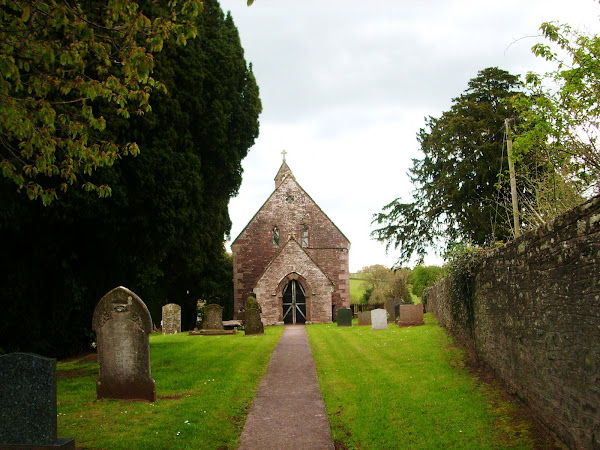
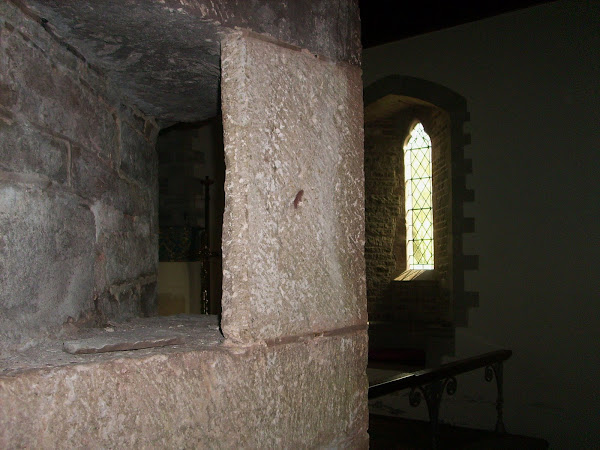
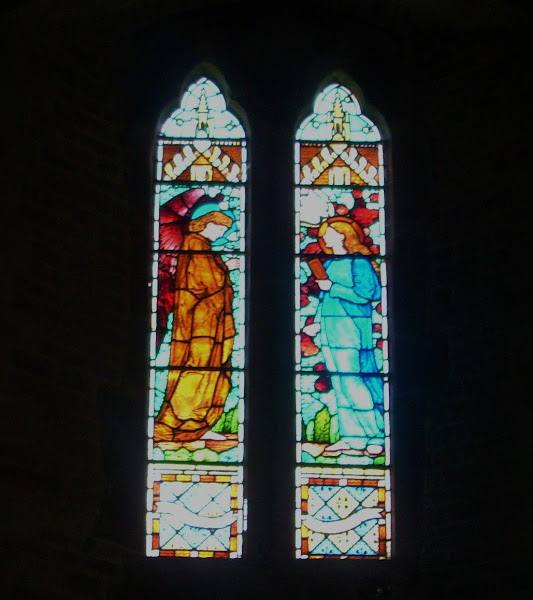
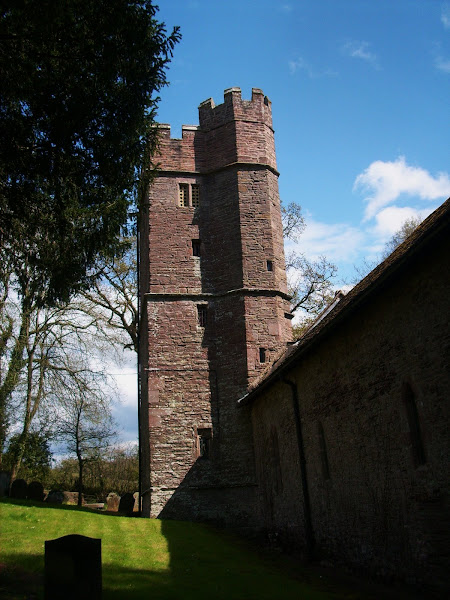
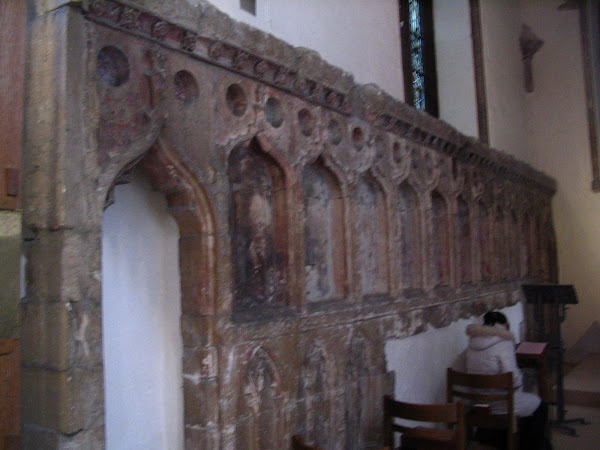
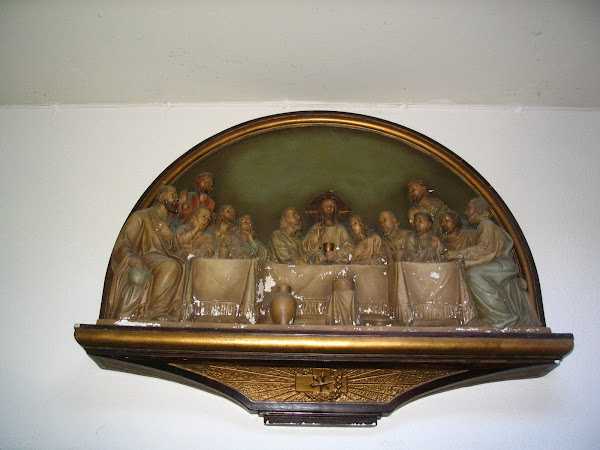
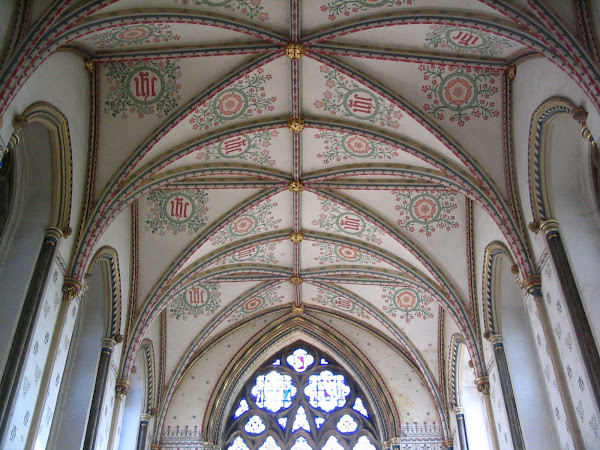
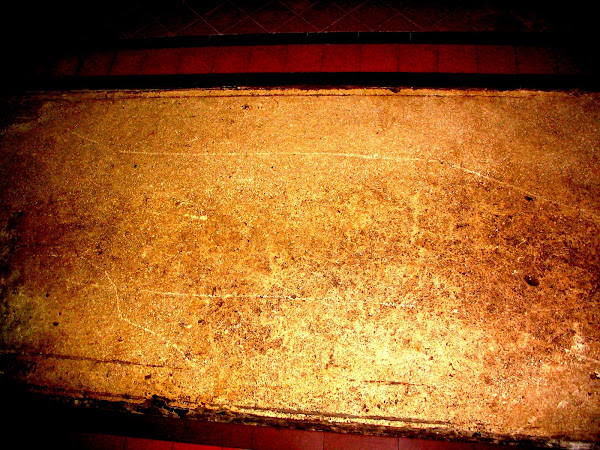
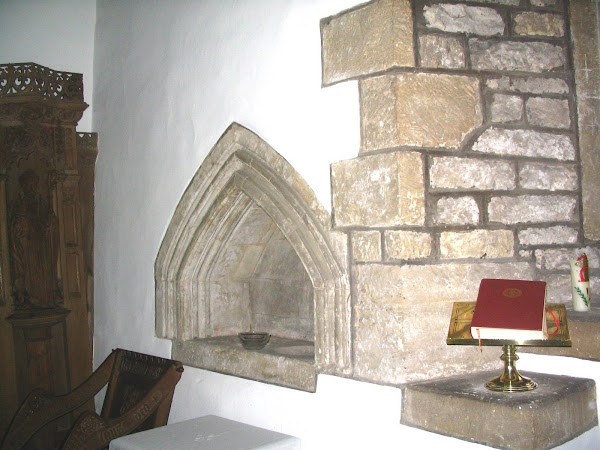
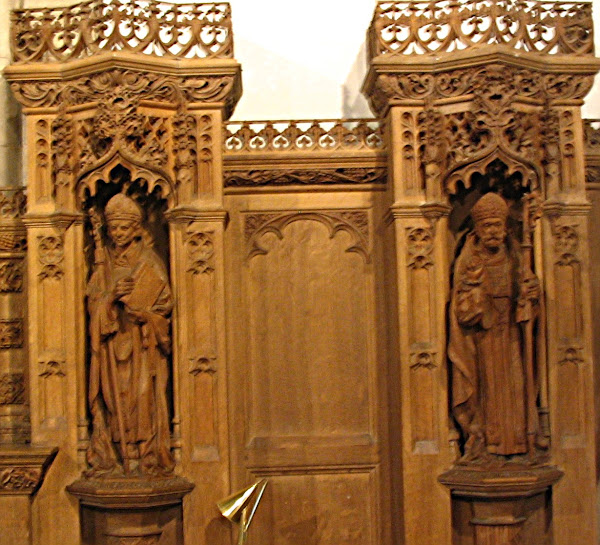
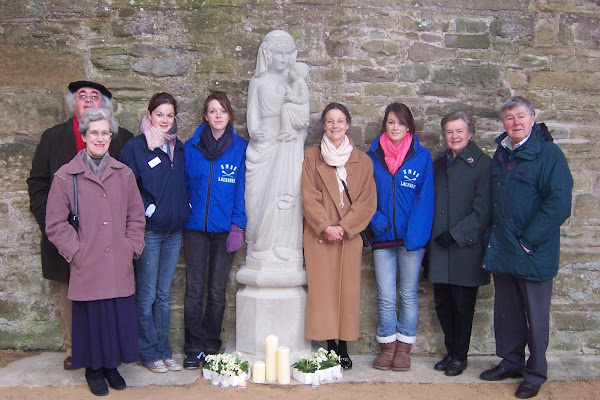
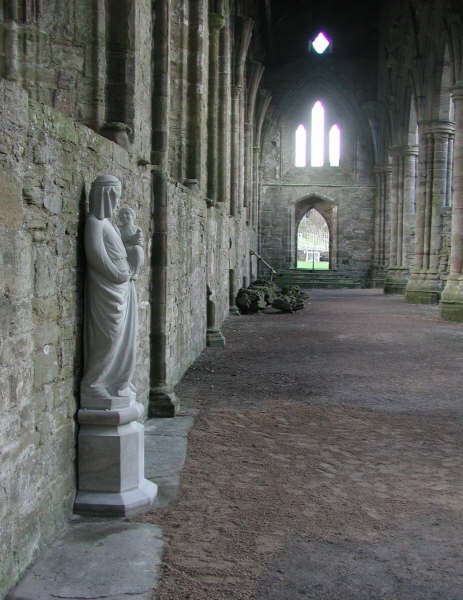
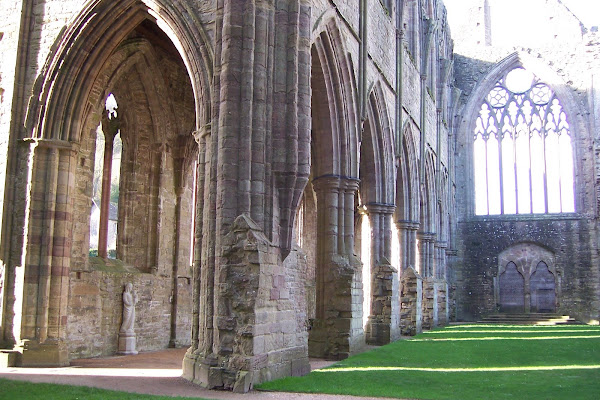
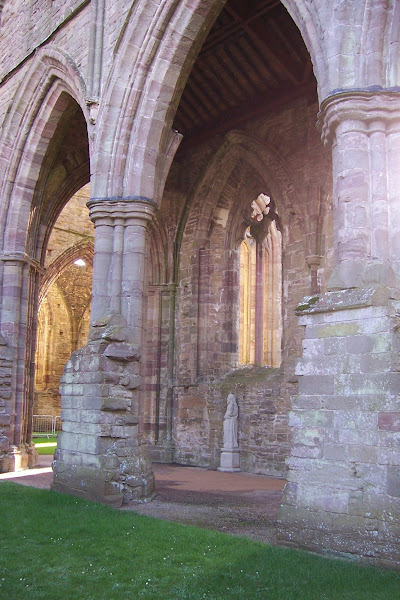
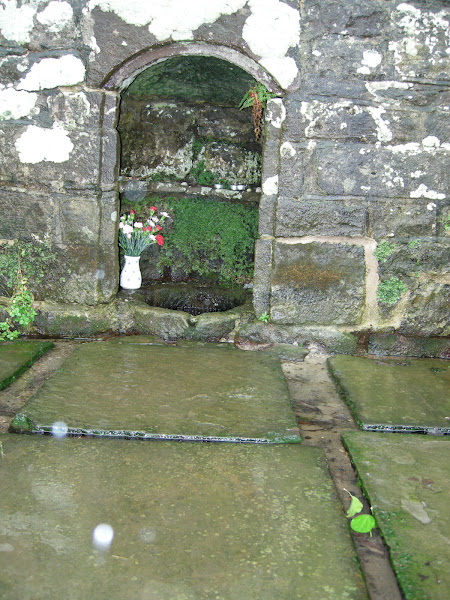
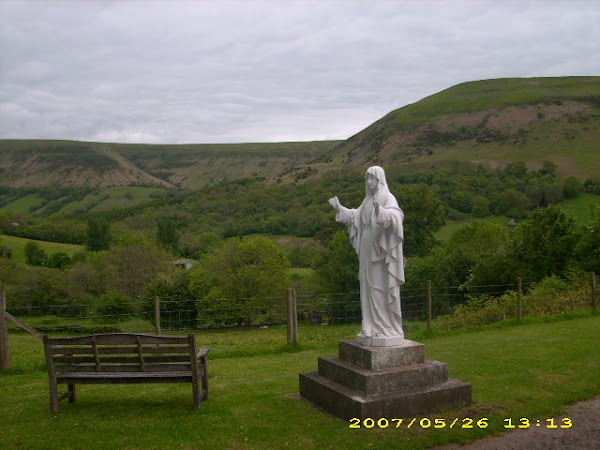
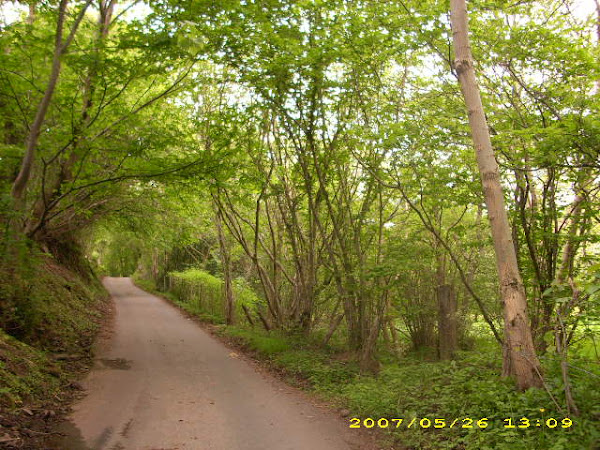
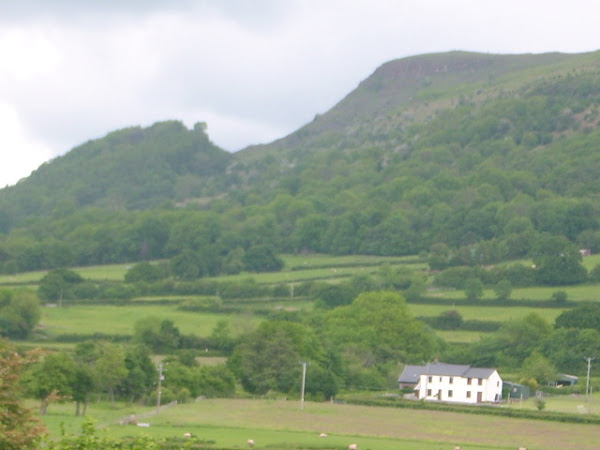
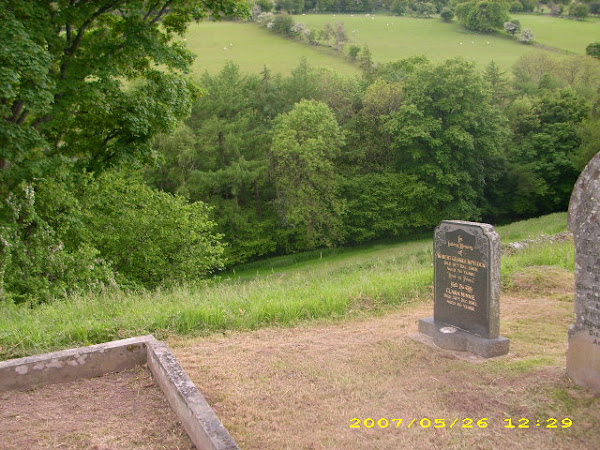
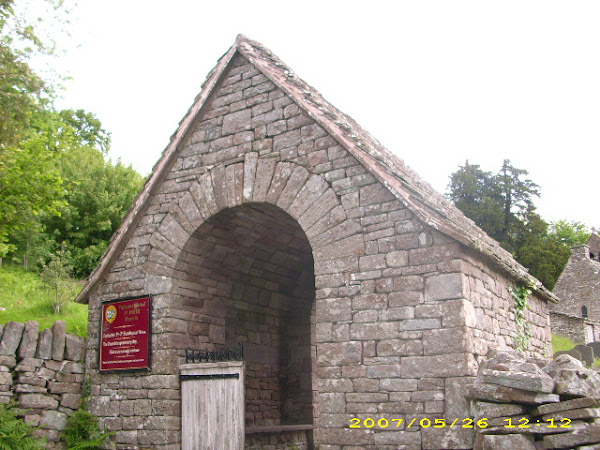
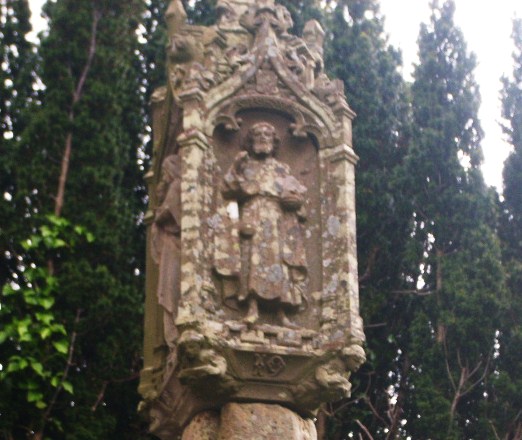
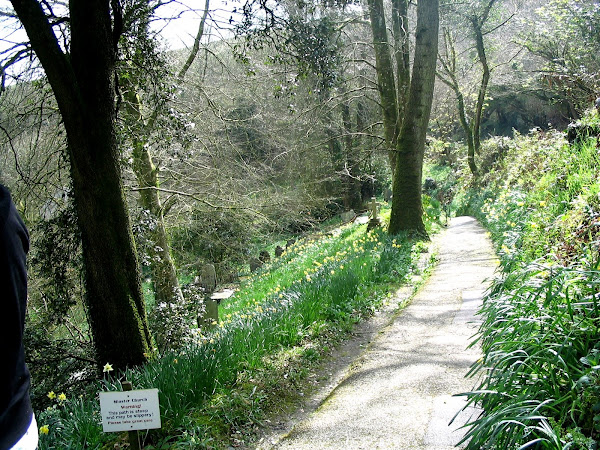
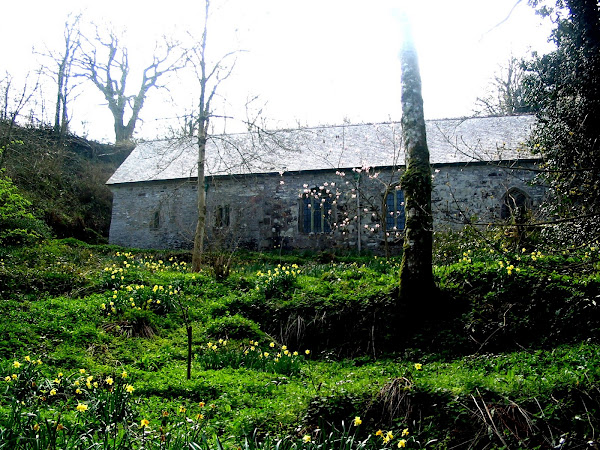
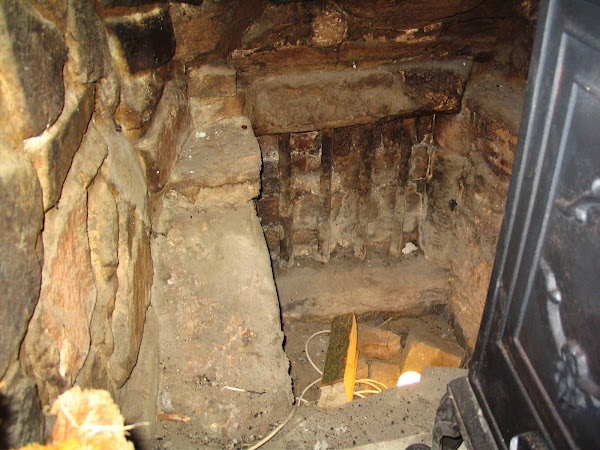
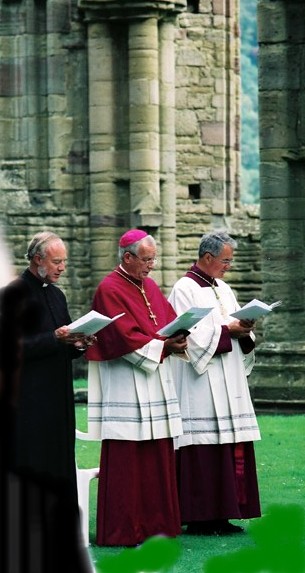
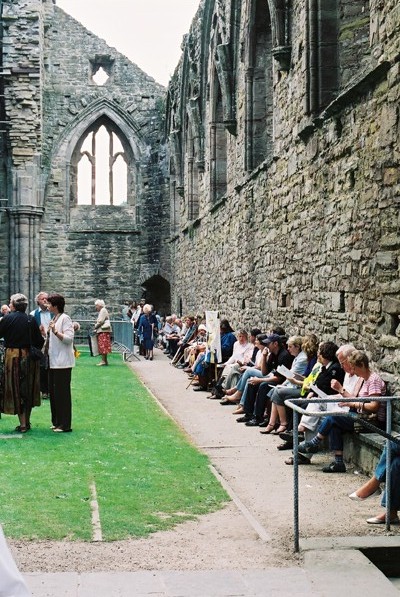
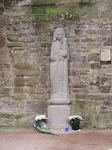
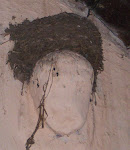
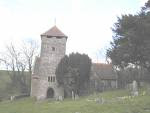
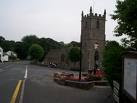
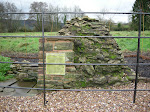
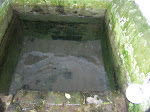
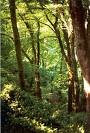
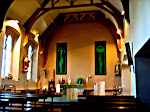
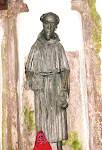
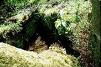
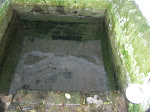
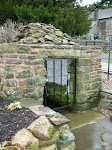
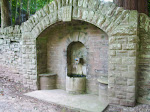
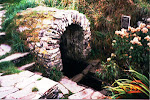
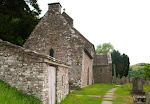
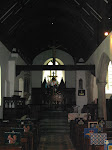
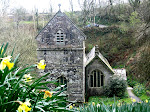
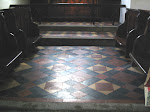
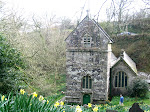
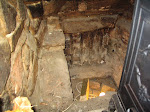
The first few pictures are of The Priest's Well (RIP Father Ainsworth).The lower ones are of St Bridget's Well (Ffynon Santffraed) I have given the links to my previous posts about this fascinating church, originally a 'llan'-a Welsh monastic settlement and then a Norman Church, serving Skenfrith Castle. There is an account of a artyrdom of Father Ainsworth.
NOTE:
THE PRIEST'S WELL IS NOW IN PRIVATE GROUNDS AND PRIVATE PROPERTY AND MUST BE AGREED BY THE OWNER OF THE SAND HOUSE,SKENFRITH, MONMOUTHSHIRE BEFORE ANY VISIT.
My previous posts about Skenfrith Church in this wonderful, amazing village in Monmouthshire.Blogger will not let me publish links for some reason. The posts are as follows, you can either c +p or go to July 2008 in the list of archives on the Left hand side of the blog page, scrolling to the bottom of the Left hand layout pictures and access it from there.
http://maryinmonmouth.blogspot.com/2008/07/llansantffraed-ynysgynwraidd-st.html
http://maryinmonmouth.blogspot.com/2008/08/more-pictures-from-skenfrith.html


__________________________________________________________________________________________________________________________________________________________________
The first two times I visited Skenfrith last year, I was unable to find the Well of St Bridget of Kildare (Sant Ffraed) nor the 'Priest's Well' and I arrived recently with OS map, compass and a pair of wellies.
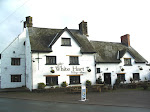
I went to Skenfrith on Saturday and asked in the Bell Inn about the ‘Priest’s Well’ and St Ffraed’s Well. The very pleasant landlady was very helpful, knew of St Ffraed's but not of The Priests Well. Nevertheless an old map on the wall revealed ‘Darren Wood’and she mentioned someone in the ‘Shop’ who knew where it was. Only the old people remember it, it seems. When we went to St Ffraed’s well, I was very disappointed because it was very delapidated and desperately needs restoration. The well is on private land and so it seems if the owner does not restore it, there is nothing anyone can do-although of course it may be a question of money. By mistake we visited a nearby farm, where the farmer remembered it and pointed vaguely in the direction of the wood on the other side of the Monnow River.
So after visiting St Ffraed’s Well, we went to the Shop to get more information, as there were two ladies in there,neither of them knew where it was. There was an elderly person who DID know but was not there! When I mentioned 'Darren Wood', they said it was in new private ownership and we should have to ask the new owner.I was a bit afraid to go and ask as the 'Sand House' was now a mansion at the end of a long landscaped drive. I just hoped we were not going to be chased off with a gun and a lot of dogs! But we need not have worried, the new owner was only too happy to show me the well. The Priest's well was a bit of a legend now, it seemed. All she knew was in the days went priests could be executed at will and £5 retrieved from their head(!) some priest had been executed whilst hiding in the woods by the well.
I took the book about the priests well to show her and she showed it to me (the last three pictures above)It looked more of a spring than a well. I said I wanted to make a private pilgrimage, since I knew that Bishop Matthew , a former bishop and Vicar Apostolic of Western Britain had made many pilgrimages there in the 18th century. It looked exactly as in the book (‘The Folklore of Monmouthshire’-Roy Palmer)who had lived in Darren Wood. There must be evidence somewhere that Bishop Matthew visited there. I prayed a rosary there for the priest. I had tried to find out, however, I had a lucky breakthrough when I consulted ‘The River Running By’ by Joan Fleming Yates.(Amazon £20)This gives a great deal of history of recusant times.
Anyway Joan Fleming Yates has an account of the Herefordshire Catholic Revolt of 1605 (the year of the Gunpowder Plot). It started in the Village of Allensmore (five miles SW of Hereford). Alice Wellington the recusant wife of Thomas W. a yeoman farmer died excommunicate and refused burial by the Vicar. The Catholic Community became very angry and early in the morning of Tuesday 21st May 1605 Alice was buried by torchlight in the graveyard with the full rites of the church, candles and bells. The vicar went to the Anglican bishop and gave the names of all the people he had recognised in the burial party. 25 names were given including James Coles from Hungerstone known to act as massing clerk to Roger Cadwallader, a Priest(who was martyred at Hereford in 1610). Also there was Philip Giles, who ‘bare the crosse’.
Three days later, the High Constable of Hereford turned up with a warrant. They arrested two weavers at Hungerstone. Coles grabbed a knife and wounded both constables and Chandos escaped. Leonard March joined in the struggle and then his brother urged the constables to wait until they had spoken to William Morgan (another secret sympathiser) but they refused and suddenly 40 or 50 rioters, armed with staves,bows and arrows and swords surrounded the officers and demanded to be told where the prisoner was being taken. Outnumbered, the prisoner was released, warning the men of the consequences of their rebellion. He went on to the bishop who relayed it all to the Privy Council in London, who tried to deal with it with firm repression. The King made it plain there was no further any need to hold back on recusants, but the PrivyCouncil urged moderation, as they were frightened of further armed riots in a very unstable times, and one rebellion could have sparked another.The idea was to arrest the rebel leaders. By the end of June, the Bishop Bennet had decided to arrest William Morgan of Whitefield in Treville Park.
At Midnight on the 5th June 1605, the bishop’s party arrived and with them various local gentry who had close links to Catholics as they were married to them and a moderate Catholic Sir James Scudamore, who was known to be a papist but acted with discretion.
There were 60-100 men all ready to fight for the faith, and armed to the teeth.An attack on the Bishop’s Party was not planned , but they were going to wait for William Morgan to be arrested and then rescue him. The ambush had been ready. Reinfircements were expected from Catholics in the Monnow Valley, The Leader was Thomas Pritchard of Skenfrith.The magistrates arrived and took away many incriminating letters written by Morgan himself. Morgan was arrested and sent to London. For some unexplained reason the ambush was called off. Most of the men in the ambush party went into hiding. So they escaped –where?
Well they went to Monmouthshire. Anglican Bishop Bennet reported Monmouthshire‘hath always been counted a true daughter of Rome’. Monmouthshire was out of his and the Justices' jurisdiction!
Sunday, following the fiasco , three hundred people had gathered for Mass at Darren 'Chapel' , still carrying weapons.Was Darren Chapel, originally a room in the farmhouse, called the 'Sand House'. Expecting trouble, they hung on for Monday and Tuesday. Among them were William Hugh of Monmouthshire and William Vaughan of Llanrothal The bishop was worried as if he went with too few people, they would be attacked and with too many and the men would flee into the woods and they would not gather them all until the Assizes were over.
Wednesday June 19th 1605 the Justices made their biggest effort yet. The Justices searched all the cottages over the Darren and villages adjoining, house by house, all day and all night , making a thirty mile sweep along the Monmouthshire border. They found altars and various other Catholic artefacts but hardly a living soul, except for an old woman or an old man. The houses were deserted . The villages were deserted. The entire population had fled downward and westward into the comparative safety of Monmouthshire.
Only one person did not escape, said the bishop. The elderly priest of Darren Chapel. According to Bishop Bennet’s records he did not escape. The Catholic Priest Father Ainsworth was the priest. The strong tradition in this area, is that he was caught by a spring in the woods , where he was beheaded on the spot, according to the law, which paid £5 for the head of every Catholic Priest found in England after 1589 after the Day of John the Baptist.(June 24)
The stonework in the well is coloured red, and when the vegetation has died back in the winter you can see more of the stone and then it appears very red indeed. Romantic legends began to grow that this was Father Ainsworth’s life’s blood infused into the stone and in recent memory the people filled their bottles of holy water at the well (reputed to heal diseases) and prayed at the martyrum, where he was probably buried as well. Now it lies close to ‘The Sand House’ which is on the Darren side of the Monnow (northern)
To finish the story, the Justices returned to Hereford with no results and a report reached the king on June 23rd that the Bishop of Hereford had to flee ofr his life. The Privy council were undecided and blamed the justices’ incompetence. Eventually the Earl of Worcester was sent to cool the situation. He was a personal favourite of the King and a Catholic himself. His seat was Raglan Castle . He was an interesting character and natural overlord of the area. He was to talk to the leaders and cool down the situation. He was married to Elizabeth Herbert and gained many lands in Wales. He was also Lord Lieutenant of Glamorgan and Monmouthshire. So he arrived at Raglan Castle on June 29 1605 and this was the beginning of the end of the rebellion. Most priests and others who would suffer serious punishment were quietly spirited away and put out of reach by the Earl who warned them after he had requested them to meet him. He had a few ruffians put in prison to satisfy the Justices and show he had done something. The rebellion in the Monnow Valley was over. Raglan Castle hid priests and had priest holes. Several rich and influential Catholic families in North Mon had moved there because the remote nature of the area meant they could practice their faith in relative safety and obscurity.
Nevertheless I have the date for Father Ainsworth. He may have been a secular priest ,or an religious chaplain of the Hospitallers Order at Garway, who was perhaps too elderly or sick to flee and had stayed on after the reformation to tend to the parishioners at the Darren Chapel, and in other secret places.
IT had to be said that the burial of Catholics was one of the most upsetting of aspects of the terrible times of persecution. In Monmouthshire, the landowners were almost all Catholics, as were the justices and often the constables as well and since there was no concentrated 'push' to 'extinguish popery' until 1679 by over zealous priest hunters, anxious not to lose their lands, stolen from the church, and bribery and threats on Catholics to 'shop' their information about the College of St Francis Xavier in the Cwm farmhouses they were all comparatively safe. Because the Catholic families also owned the livings of the churches in Monmouthshire, they were able to appoint vicars sympathetic to the Catholic plight, who turned their backs on night time burials, washings of the corpses in holy wells and requiems in churchyards at Midnight. Many vicars were humane and compassionate and turned the other way.
I am returning to recusancy when we reach that far, but at present we are just in the Norman period and I will be continuing with the post on Goldcliff Benedictine Priory later this week.
More pictures:






















































.JPG)
.JPG)